
Our Mission
To raise awareness and take action to protect and preserve honeybee populations in Central Maine
Science-Based Approach
We ground our conservation efforts in evidence and research, providing accurate information about honeybee biology, behavior, and the threats they face.
Community-Driven Action
We believe lasting change happens when communities work together. Every Central Maine resident has a role to play in protecting our pollinators.
Local Expertise
Our focus on Central Maine means we understand the unique climate, ecology, and agricultural needs of our region. Local solutions for local challenges.
Why This Matters Now
Honeybee populations are declining at an alarming rate. Colony collapse disorder, habitat loss, pesticide use, and disease threaten the pollinators that sustain our food systems and ecosystems. In Maine, where blueberries, apples, and countless crops depend on pollination, the stakes are especially high.
But there's hope. Through education, conservation action, and community engagement, we can reverse these trends. Every garden planted with native flowers, every beekeeper trained, and every person who understands the importance of honeybees brings us closer to a thriving future for our pollinators.
Join us in protecting Central Maine's honeybees. No experience necessary—just a willingness to make a difference.
Get Involved TodayUnderstanding the Honeybee Crisis
Honeybee populations across Maine and the nation are facing unprecedented challenges. What many people don't realize is that this crisis extends far beyond the bees themselves—it threatens our food systems, local agriculture, and the ecosystems we depend on.
What is Colony Collapse Disorder?
Colony Collapse Disorder (CCD) occurs when worker honeybees mysteriously abandon their hive, leaving behind the queen and young bees. Without the workforce to gather food and maintain the colony, the hive collapses. While CCD rates have improved in recent years, honeybee populations remain under severe stress from multiple interconnected threats.
Threats Facing Maine's Pollinators
- • Pesticide use: Neonicotinoid pesticides damage bee nervous systems even in small doses, impairing navigation and foraging abilities.
- • Habitat loss: Development and agricultural monocultures eliminate wildflower meadows and diverse plant sources bees need.
- • Varroa mites: These parasites weaken honeybees and spread deadly viruses throughout colonies.
- • Climate variability: Unpredictable Maine winters and spring frosts disrupt bee cycles and food availability.
Honeybees vs. Native Pollinators
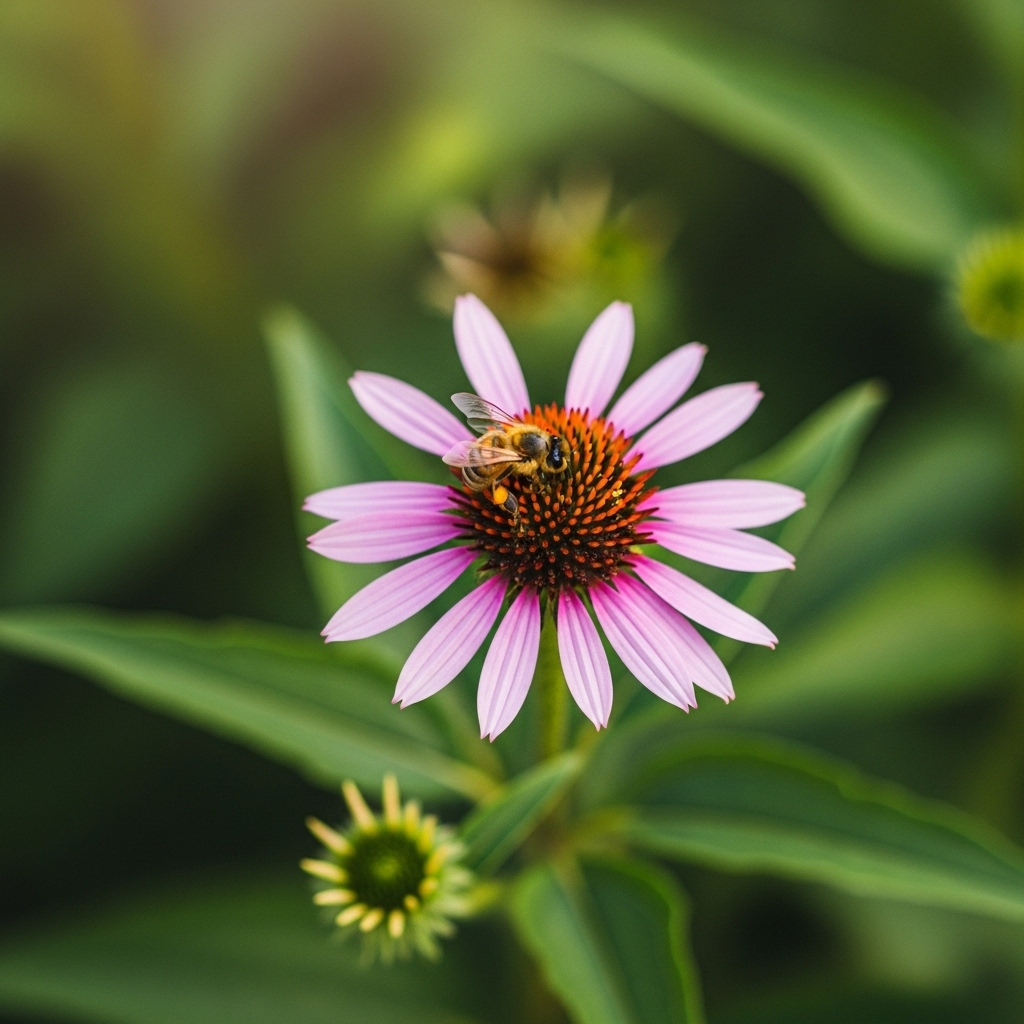
It's important to understand that honeybees, while crucial, are just one piece of the pollinator puzzle. Maine is home to hundreds of native bee species—bumblebees, mason bees, and sweat bees—that are equally threatened. Native bees are often more efficient pollinators for specific plants and are essential to wild ecosystems. A healthy pollinator population requires protecting both honeybees and native species.
Why This Matters to Maine
Maine's blueberry industry, apple orchards, and countless vegetable and seed crops depend on pollinator services. Without healthy bee populations, agricultural productivity plummets, affecting local farmers, food security, and the rural economy. Beyond agriculture, pollinators sustain the wildflowers, shrubs, and trees that form the foundation of Maine's natural ecosystems and wildlife habitats.
There is Hope—Through Local Action
The good news: every action matters. When Central Maine residents create pollinator-friendly gardens, support local beekeepers, reduce pesticide use, and demand bee-friendly agricultural practices, we create measurable positive change. Community-level conservation efforts have proven to restore pollinator populations and ecosystem health. By working together, we can reverse the decline and build a thriving future for honeybees and all pollinators in our region.
Our Story
Saving the Honeybees Central Maine was born from a simple but urgent realization: our region's pollinator populations are in crisis, and local action is the most powerful solution. What started as a grassroots effort to raise awareness about honeybee decline has grown into a thriving community movement dedicated to education, conservation, and tangible change.
Rooted in Community Need
We recognized that Central Maine residents—from gardeners to farmers to educators—needed accessible, local expertise on protecting our honeybees. Our organization emerged to fill that gap with science-based education and actionable solutions.
Growing Impact
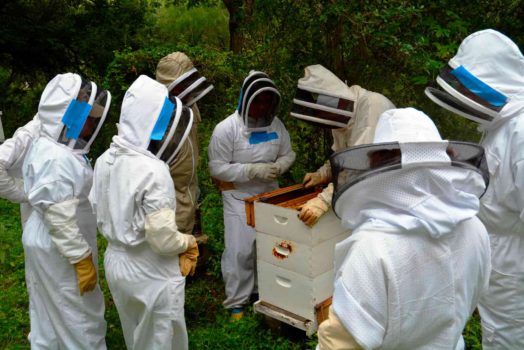
From our first workshop to our current programs reaching hundreds of community members, we've built meaningful partnerships with schools, local organizations, and conservation groups throughout Central Maine. Each milestone reflects our shared commitment to protecting the pollinators our region depends on.
Community Partnerships
We've developed strong collaborations with local schools, municipalities, agricultural organizations, and fellow conservation groups. These partnerships amplify our reach and demonstrate that honeybee protection is a shared Central Maine priority.
Our Vision for the Future
We envision a Central Maine where honeybee populations thrive, where every community member understands their role in pollinator protection, and where conservation education inspires the next generation of environmental stewards. Through continued programs, partnerships, and grassroots action, we're building that future together.